
Expert Advice from J & S Service Center
Keep Your Car Running Right — Tips from South Bend's Trusted Technicians
Our team has kept South Bend vehicles on the road for over 55 years. Use these practical maintenance tips — built around Midwest driving conditions — to protect your investment and avoid costly breakdowns.
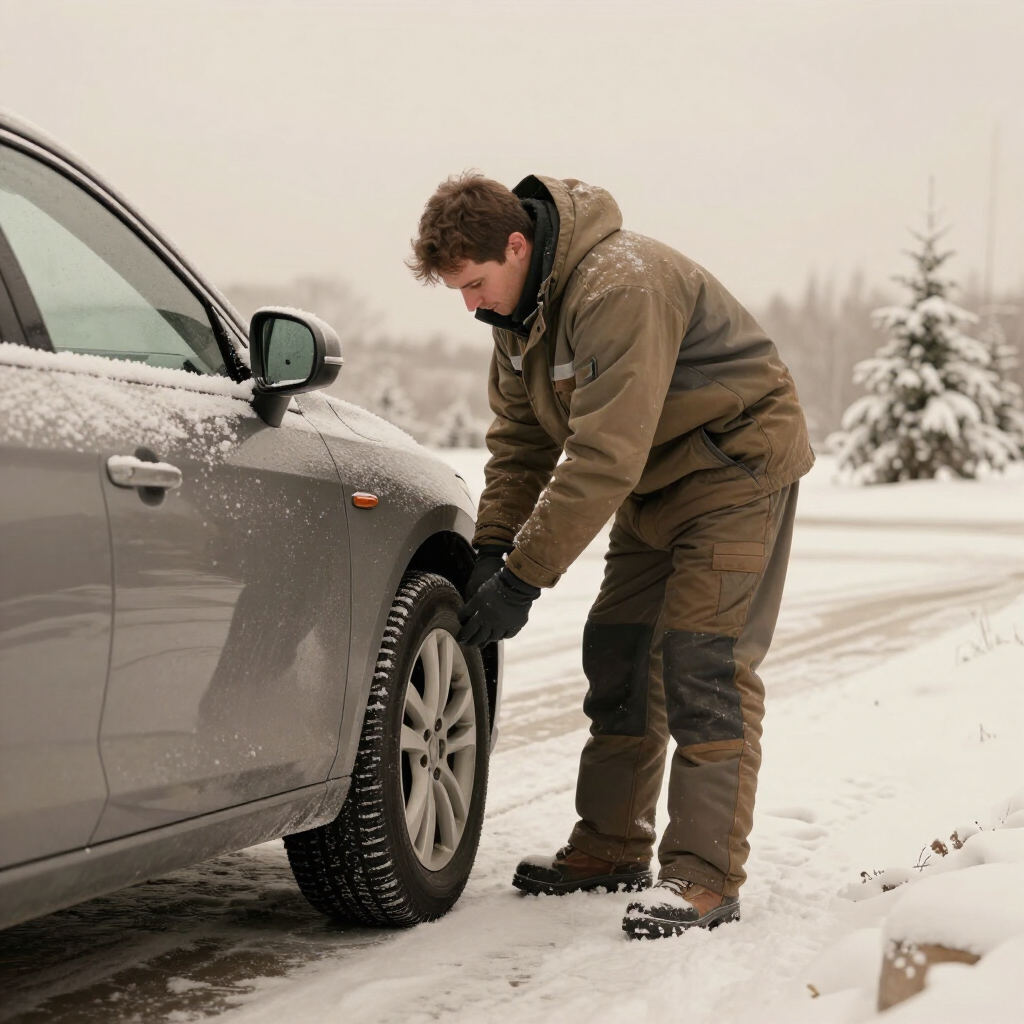
Midwest Seasons Demand More From Your Vehicle
South Bend winters are hard on cars — and spring roads aren't much kinder. Here's what J & S recommends by season to keep you safe year-round.
Winter Prep (October–November)
Test your battery — cold temps reduce battery output by up to 50%. Switch to winter-weight oil, check antifreeze levels, inspect wiper blades, and confirm your tires have adequate tread depth (minimum 4/32") for snow traction.
Spring Recovery (March–April)
Harsh freeze-thaw cycles damage alignment and suspension. Schedule a wheel alignment check after winter. Inspect for rust along the undercarriage, replace cabin air filters clogged by road salt debris, and flush brake fluid if it's been 2+ years.
Summer Readiness (May–June)
Have your AC system inspected and recharged before temperatures climb. Check coolant levels and hose condition. Confirm tire pressure — heat causes air to expand and can push underinflated tires to failure.
Fall Transition (September–October)
Inspect belts and hoses before cold snaps stress them. Check your heating system, defroster, and all exterior lights before daylight shortens.
Not sure where your vehicle stands heading into the next season? Bring it in — our technicians will give you a straight answer.
Your Routine Maintenance Schedule, Simplified
Staying on top of scheduled maintenance is the single most effective way to extend your vehicle's life and prevent expensive repairs. Use this guide as a baseline — your owner's manual or our technicians can fine-tune it for your specific make and model.
Recommended service intervals for most passenger vehicles:
| Service | Recommended Interval | Why It Matters |
|---|---|---|
| Oil & Filter Change | Every 5,000–7,500 miles (or per manufacturer) | Prevents engine wear; dirty oil loses viscosity and lubrication |
| Tire Rotation | Every 5,000–7,500 miles | Evens tread wear; extends tire life by 20–30% |
| Brake Inspection | Every 12,000 miles or annually | Catches pad wear and rotor damage before failure |
| Air Filter Replacement | Every 15,000–30,000 miles | Maintains fuel efficiency and engine air flow |
| Fluid Check (all) | Every 6 months | Coolant, brake, transmission, power steering, and windshield washer levels |
| Battery Test | Every 2 years or at signs of slow cranking | Cold winters accelerate battery degradation |
| Cabin Air Filter | Every 15,000–25,000 miles | Improves HVAC performance and air quality |
| Belt & Hose Inspection | Every 30,000 miles or 3 years | Prevents sudden breakdowns from wear-related failures |
| Wheel Alignment | Annually or after hitting major potholes | Protects tires and steering components |
These intervals are general guidelines. Vehicles operating in stop-and-go traffic, extreme temperatures, or with heavy loads may need more frequent service. When in doubt, ask us — we'll give you an honest recommendation based on your actual driving conditions.
Warning Signs You Should Never Ignore
Your vehicle communicates problems before they become breakdowns. Learn to read these signals and act before a minor issue becomes a major repair bill.
Grinding or Squealing Brakes
— Worn brake pads or damaged rotors. Bring it in immediately — braking performance is compromised.
Check Engine Light
— Can range from a loose gas cap to a misfiring cylinder. Don't ignore it; a diagnostic scan identifies the cause within minutes.
Pulling to One Side While Braking
— Points to uneven brake wear, a stuck caliper, or alignment issues. A safety concern that worsens over time.
Unusual Vibration at Highway Speed
— Often a tire balance issue or worn suspension components. Can damage tires and steering if left unaddressed.
AC Blowing Warm Air
— Low refrigerant, a failing compressor, or a leak in the system. South Bend summers demand a functioning AC.
Burning Smell or Smoke
— Could indicate an oil leak onto hot engine components, an electrical issue, or overheating. Pull over safely and call us.
Slow or Hard Starting
— Battery, alternator, or starter motor is likely failing. Especially common after a Midwest winter.
Fluid Spots Under the Vehicle
— Identify the color: clear (AC condensate, normal), brown (oil), green/orange (coolant), red (transmission fluid). Any color but clear warrants inspection.
If any of these signs apply to your vehicle right now, don't wait. Our team can diagnose the problem the same day in most cases.
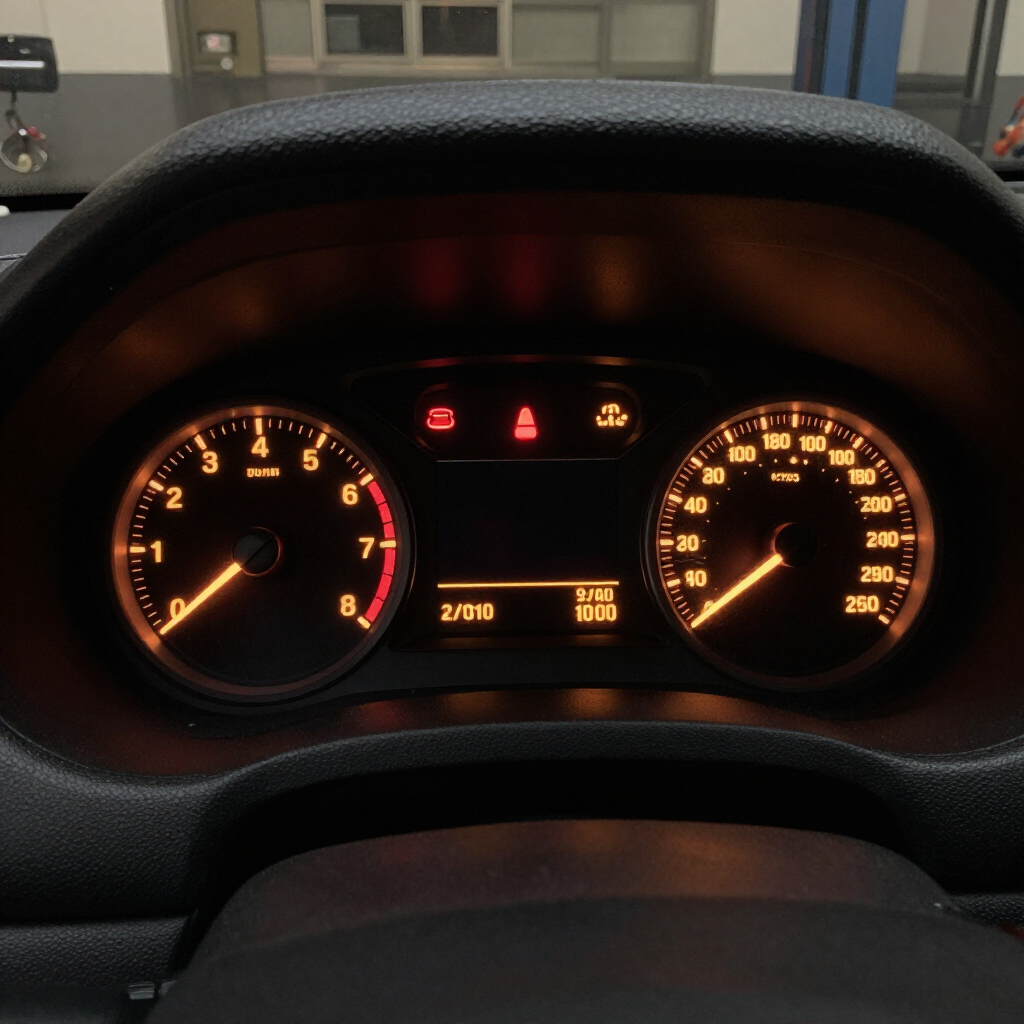
Ready to Put These Tips Into Action?
The best car care tip we can give you is this: don't wait until something goes wrong. Bring your vehicle into J & S Service Center and let our experienced technicians give it a thorough look. We'll tell you exactly what it needs — and only what it needs.
Serving South Bend, IN and surrounding communities since 1968. Family-owned, ASE-certified technicians, transparent estimates.